
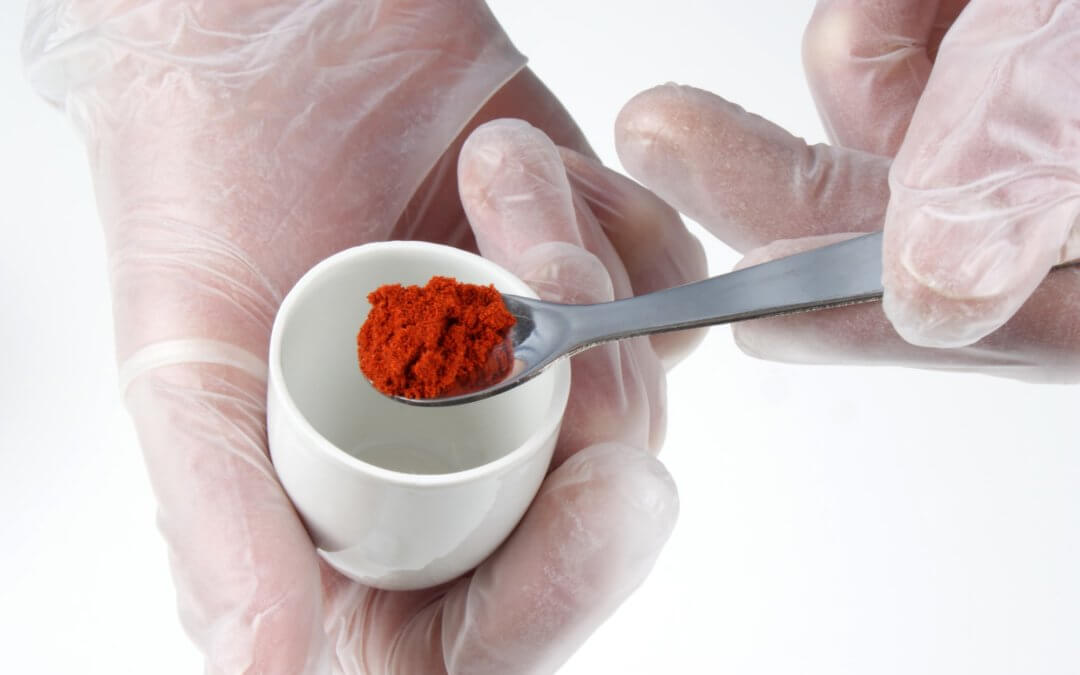
When you think of capsaicin, chances are that you think of the natural substance found in hot peppers. However, there are actually two types – natural and synthetic capsaicin. Both of them are very similar, but are they identical? Moreover, what benefits and drawbacks does the synthetic version bring to the table as compared to the myriad health benefits (and few drawbacks) of the natural version?
What Is Synthetic Capsaicin?
As mentioned, there are two types of capsaicin. The natural version is extracted from pepper plants. The synthetic version is manufactured in a laboratory. Is that the only difference, though?
In terms of performance, it seems that both types offer the same efficacy. However, in the realm of cost, they are not the same. Natural capsaicin costs almost five times as much as synthetic capsaicin, which means that the synthetic version is the smarter bet for manufacturers of medical supplies, such as creams and ointments that are used to treat painful cluster headaches, arthritis and the like.
Synthetic capsaicin is also an important tool in the world of pest control. It is used quite frequently around farms and gardens where mammalian pests like rabbits, mice or rats are a concern. Note that birds are not susceptible to the heat-generating sensation of capsaicin, so it is not an effective avian deterrent. It is also not a useful deterrent against insects, as they are unaffected by capsaicin.
However, if the capsaicin will be used in a product that will be ingested (such as making hot sauce, or in foods), then the natural form is recommended. Note that this recommendation comes from synthetic capsaicin manufacturers.
With that being said, the synthetic form may be the most beneficial for use as a weight loss treatment. Capsaicin has garnered interested as a tool for improving metabolic function in recent years, although many would-be patients are unable to use it due to the pungency (heat). Synthetic capsaicin can be manufactured without the pungency of the natural variety, which may make it a better alternative, allowing more potential patients to see any benefits that stem from treatment. Note that capsaicin’s role in weight loss is still being studied by clinicians and researchers, and no “hard evidence” has been provided, although several studies have noted positive results from its use.
Both natural and synthetic capsaicin may be beneficial in the treatment of cancer. Natural capsaicin has been shown to have some effect on fighting both prostate and pancreatic cancer in laboratory testing and trials with mice. It is also a potential treatment for lung cancer, and is being investigated for use in fighting diabetes, as well.
Ultimately, the choice of whether to use natural or synthetic capsaicin comes down to a couple of factors. Cost is definitely one. However, the use for the chemical should also be considered, as should the “heat” tolerance of anyone ingesting it, if the natural form is chosen.