
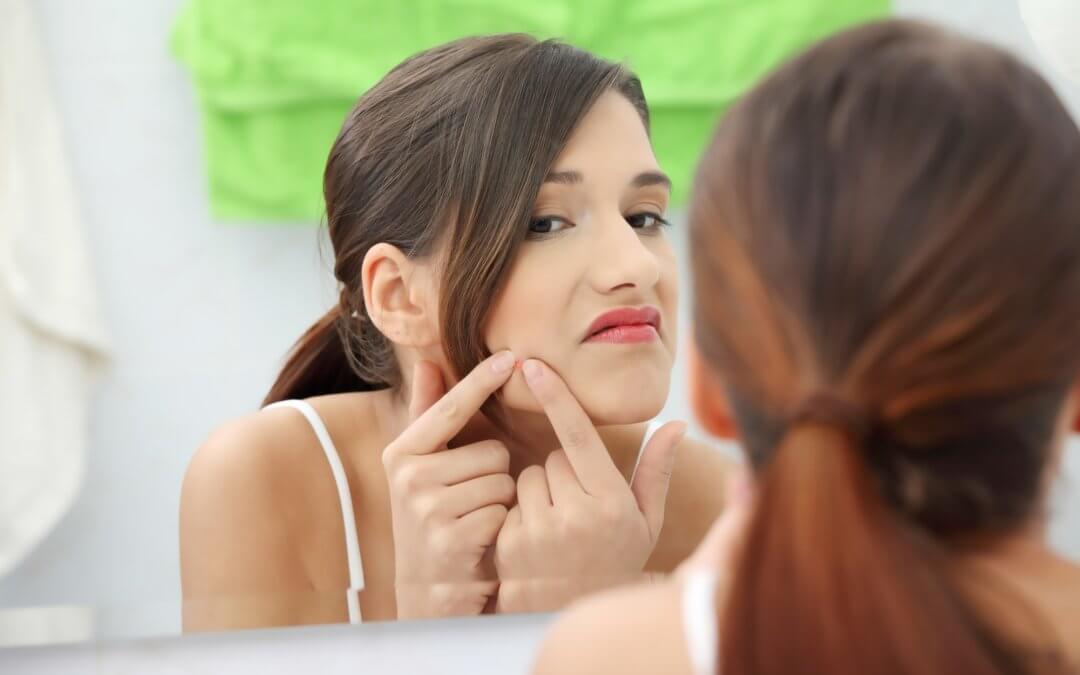
No matter how many old wives’ tales there are about spicy food, there always seems to be another one waiting in the wings as soon as I’ve finished researching the first. This time, I’m tackling the idea that spicy foods cause acne. Now, it’s hardly fair to discuss the idea that spicy food could cause acne in puberty – it would be impossible to control the experiment, since puberty is a time when acne abounds due to other factors. So instead, we’ll focus on acne in adults.
There is a surprising amount of research available on the link between spicy foods and acne, as far as these things go. In fact, once you dig past the Cosmopolitan articles, you’ll find some interesting studies that address the question: Does spicy food cause acne?
A Brief Acne Breakdown
To understand if or how spicy foods may affect acne, we must start by understanding what exactly causes and affects acne at all. Acne is the name given to the visible result of hair follicles becoming plugged. Because we have hair follicles all over our bodies, we can get acne in many places – but most people associate acne with the face.
Hair follicles are connected to oil glands that help keep the skin moisturized and flexible. Between this oil and dead skin cells, hair follicles can become plugged all on their own, without any help from food, hormones, or other factors. When this plug occurs, bacteria can be trapped in the follicle, which then becomes inflamed, and presto! You have a pimple.
The main causes of acne flare ups are hormones, medications, and diet. These three factors are what are typically pointed to as the reason for stubborn acne that won’t go away. The most important of these three is hormones. Hormones affect the production of oils in the follicle, which causes them to become plugged more frequently. Pregnancy is a good example of significant hormonal changes in adults, but any type of hormone medication, such as fertility drugs or taking testosterone to boost athletic performance, can also be to blame.
Your diet is the second most important factor, but you may be surprised to learn that there is controversy over whether or not spicy foods should be on the list. Carbohydrates such as bread and dairy products such as cheese are at the top of the “acne causing foods” list. You may want to think twice about that grilled cheese sandwich next time you’re facing an outbreak of pimples.
There are also studies that show correlation between chocolate and acne, but there is no final word on the validity of this claim yet. Stress is another factor in increasing acne. Just like nearly every other illness or condition, stress probably won’t cause acne on its own, but it will definitely aggravate existing acne.
Why Spicy Food Is a Suspected Cause
The fact is that the compounds in spice have nothing to do with the causes of acne. There is nothing inherent in spices that cause excess oil production, or have anything to do with the development of bacteria in hair follicles. So why do so many people believe that spice can cause acne? In fact, even in areas of the world where spices are an everyday ingredient, like India, more than 85% of adults who are surveyed believe that spicy foods can trigger a breakout.
One of the reasons that spicy food is to blame for acne is that people are relying on anecdotal data – that is, their own personal experiences – which is notoriously flawed. For example, there is proof that certain compounds in soda can cause breakouts. And if every time you eat a plate of hot wings or spicy nachos, you have a soda with your meal…you may not even realize that it’s the soda, not the spicy food, that your skin is reacting to.
A lot of the most popular spicy dishes are filled with cheese, or are made with cream sauce. This is especially popular in Tex-Mex and Italian cuisine. Dairy is known to trigger hormonal production of oils, which can cause breakouts. Even curry and paneer masala frequently contain dairy products.
Another reason that spicy food is often suspected is due to the way spicy food can have an impact on rosacea. Spices raise your body heat, which means that your blood vessels expand and blood rushes through your body very quickly. This can make your face appear flushed, adding to the appearance of rosacea. If you have acne, and reddish skin appears after eating spicy foods, you may incorrectly assume that your acne is flaring up. There’s another reason why spice can be linked to acne flare-ups. When our body temperatures rise, the natural reaction is to sweat. As sweat travels over the face, it moves oils and dead skin cells around, depositing them in new follicles where they may result in acne.
Finally, the way that your digestive tract reacts to spicy food may have something to do with acne flaring up, but this link between spice and acne is secondary. Your digestive system is what flushes toxins out of your body – the same toxins that can be responsible for the bacteria that becomes plugged in the hair follicles. If your digestive system is sensitive to a particular spice, and becomes unable to adequately flush toxins from your system, your skin could break out. However, this fact applies to any food that can impact the digestive system.
Acne Myths, Busted
In fact, there are many other things that are said to cause acne that are total myths. For example, women are often told that wearing makeup can give them acne. However, unless you are allergic or sensitive to the ingredients in the makeup formula, or if you don’t take care to wash away the makeup, this isn’t the case. Some people believe that your skin needs to be scrubbed clean many times a day to avoid acne – but that could actually cause extra oil production as the skin attempts to replace the stripped oil.
Finally, greasy foods are often called upon as a culprit – but provided you aren’t getting your greasy food all over your face, there’s no evidence that this is the case. Greasy items, such as cell phones that have picked up facial oils from previous use, can cause acne when pressed against the face, however.
Could It Be the Other Way Around?
After learning how acne happens, and how spicy foods could have a small, indirect impact on acne, I was curious: what if it was the other way around? Are there are any spicy foods that could help maintain clear skin? The idea isn’t so far-fetched. There are many spices that are known for their anti-inflammatory characteristics, for example, as well as spices that are used to treat everything from cancer to IBS.
So, I went hunting for healthy skin care diets, and found some interesting facts. After you’ve cut out foods that are known to cause acne flares, like dairy and sugar, there are some things that many skin care professionals suggest adding to your diet for perfect skin. One of those things is omega-3 fatty acids, which you probably know as coming from fish like tuna and salmon. However, it’s also a good idea to look for foods that have vitamin C, because this helps boost natural collagen. Bell peppers are particularly high in vitamin C.
Another great thing to look for is the antioxidant action in vitamins A and E. A wide range of peppers contain both of these vitamins. If you’re looking for THE spice that offers tons of vitamins and anti-inflammatory properties? Go for turmeric. Turmeric contains chemicals that produce effects ranging from pain relief, glucose stability, lowered cholesterol, and anti-depressant, to effects that rival the results of chemotherapy, steroids, IBS medications, and arthritis medications.
Get More Turmeric
By helping the gastric system to properly digest and flush toxins, reduce inflammation, and by helping reduce stress, turmeric can have a great secondary impact on your skin. If you want to enjoy this spice, definitely go for Indian food, where turmeric is the star. Traditional curry dishes are not “traditional” if they don’t include turmeric. Other dishes or cuisines with this spice include:
- Iced lattes flavored with turmeric
- Greek salmon with cucumber-yogurt sauce
- Jeweled rice
- Tandoori vegetables
- Spiced Italian lamb chops
- Turmeric and ginger chicken soup with rice noodles
- Grilled clams sprinkled with turmeric
- Shawarma lamb
- Pickled turnips spiced with turmeric
- Thai chicken soup (KhaoSoi)
- Dominican yellow rice
- Yellow chicken adobo from the Philippines
You can also simply toss some turmeric into your favorite chili, soup, or meat-based casserole dish. You’ll get the great skin-clearing benefits of this spice, and your food will get a delicious kick of heat.
Should You Avoid Any Spices?
Of the potentially negative effects spice can have on your skin, are there any that are caused by a specific type of spice? To put it another way, if you can eat all the turmeric you want, are there any spices you should avoid to keep the acne at bay?
Surprisingly, there is little information to be had in answer to this question. Those who believe that spice is the culprit behind acne haven’t done much research into which spices may cause this problem. The most frequently cited spicy foods for acne sufferers include jalapeños and miso paste, but neither are explained. It could be that these two types of spicy food have been noted in so many anecdotes that they have become common by default, but don’t forget that anecdotes are flawed. If you don’t remove all other potential causes of acne from your diet, like dairy, before testing whether acne can be the cause, your claims are not conclusive.
Additionally, don’t forget that most of what causes acne is hormonal production. Hormones have a lot to do with genetics, as well – meaning if your mom or dad had acne, you likely will, too.
What Should You Do Instead?
Instead of cutting spicy foods out of your diet, consider changing up other, more important factors. Good hygiene, but not over-cleaning, is important. Hormone regulation through birth control may be helpful for adults in some cases. Getting rid of foods that cause gastric distress is another great measure to take.
Other than that? Load up on the turmeric and enjoy your favorite curry spot. There is no other evidence to support a link between eating spicy foods and acne, no matter what Cosmopolitan may want you to believe. That’s great news for those who love spicy foods, and for those who live in areas where spice is served at every single meal of the day.
Remember that survey of Indian adults that indicated a large portion of answerers believed spice was behind their acne flare ups? That was a number that shocked me. Surely in a culture that values spice as a medicinal ingredient, these myths wouldn’t be so widespread. So I checked into the study further. As it turns out, the survey reviewed several decades’ worth of medical trials that studied the causes of acne. And of more than 250 trials during 50 years, only one (yes, one) even researched food as a cause of acne.
Clearly, the belief that food can cause acne is founded on…well, nothing at all. In fact, the one study that did look into food as a potential acne producer? Discovered that spiced and pickled foods (which contain spices in India) contain a type of unsaturated fatty acid that can ease the appearance of acne overall. Interesting, don’t you think?
The Bottom Line
The bottom line is that spicy foods don’t cause acne. There are a few side effects of spicy foods that may aggravate, but evidence largely points to spicy foods being more beneficial to great skin than we previously realized. The myth that spicy foods cause acne is likely a lingering social belief that has no foundation at all. Eat your spicy food and make other lifestyle changes to address acne.