
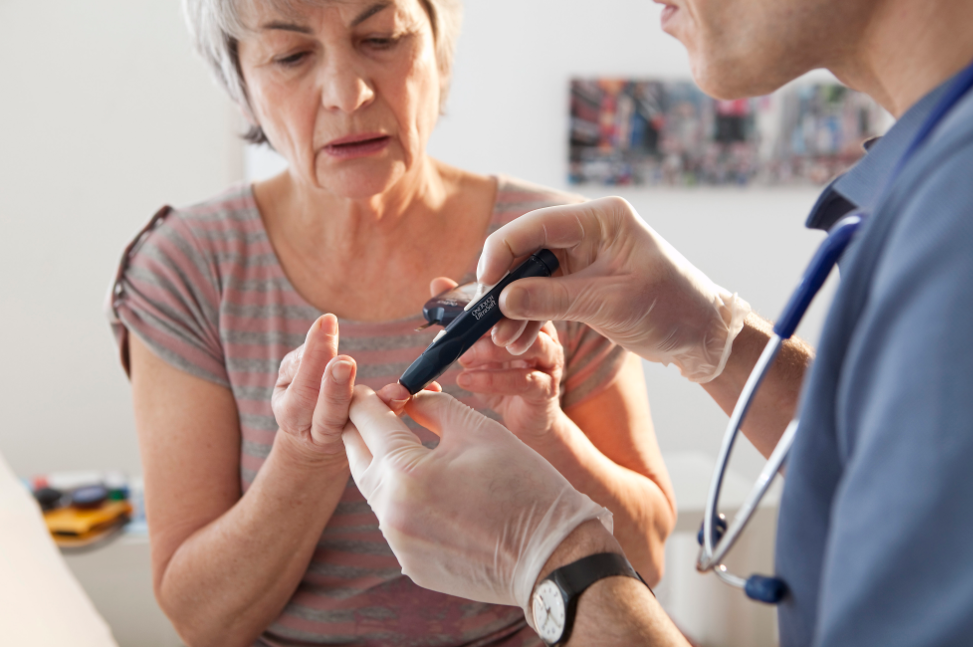
Living with diabetes is possible, although it is not comfortable nor enjoyable. The search for a cure for both type 1 and type 2 diabetes has been long, but there might be a light at the end of the tunnel, and it might not look quite like what you had imagined. It’s capsaicin, the same phytochemical that makes chili peppers so spicy hot. How do capsaicin and diabetes go together? It’s actually very interesting.
The Capsaicin and Diabetes Connection
In 2006, researchers in Canada decided to inject mice with type 1 diabetes with capsaicin. To the researcher’s astonishment, the diabetes symptoms experienced by the mice vanished. They seemed to be cured. Of course, mice are not humans, and while they are mammals like us, their physiology is different. Further testing is still needed to determine if capsaicin is actually a true cure for diabetes in human beings.
Further Study of Capsaicin and Diabetes
Another study, this one conducted in 2013 and published through the National Institutes of Health, states, “Red peppers and red pepper paste are reported to have anti-obesity, analgesic and anti-inflammatory effects in animals and humans due to the capsaicin in red pepper. We investigated whether consuming capsaicin and capsiate, a nonpungent capsaicin analogue, modifies glucose-stimulated insulin secretion, pancreatic cell survival and insulin sensitivity in 90% pancreatectomized diabetic rats, a moderate and non-obese type 2 diabetic animal model. In conclusion, capsaicin and capsiate improve glucose homeostasis but they differently enhance insulin sensitivity in the liver, insulin secretion patterns, and islet morphometry in diabetic rats.”
No Medical Cure, But Hope Exists
While there is still ongoing research into the effects of capsaicin on diabetes with humans, the mounting evidence points to a direct link, and that capsaicin may actually be able to at least treat diabetes. The word “cure” is not used, as there is still insufficient scientific evidence to prove that capsaicin can forever stop the disease. With that being said, there is hope. Supplementing with capsaicin-containing dietary supplements, or even simply eating hot peppers or consuming red pepper regularly can have a positive effect on insulin levels and blood glucose levels without the need to inject insulin.
However, it is crucial that you tell your doctor that you intend to supplement with capsaicin or red pepper. He or she will be able to help you understand the potential interactions between your supplements and any other medication you may be taking. Your doctor will also insist that you remain on your existing diabetes medication, and that advice should be followed. Remember – capsaicin may or may not have the ability to cure diabetes. It has not been proven. It has, however, proven to be effective in alleviating symptoms of the disease and helping patients live a healthier, happier life.
As a final note, patients suffering from diabetic neuropathy can find significant pain relief from a topical capsaicin patch. These patches contain 8% capsaicin, and are available only by prescription and must be applied by your doctor, but they can offer a great deal of pain relief when used appropriately.