
It’s no secret that, all over the world, people love spicy foods. “Chili heads” is the term often used to describe those especially passionate lovers of spice who will go to great lengths in order to feel their mouths burn.
The odd thing about this love affair to many on the outside is that eating spicy food often doesn’t seem like it would be very enjoyable. A lot of times, it’s accompanied by sweats, runny noses and even indigestion.
This begs the question, how do you know you’re not actually having an allergic reaction to spicy food?
Allergies Related to Peppers
All kinds of peppers can cause allergic reactions, from paprika to cayenne. This is why if you’ve ever had an allergic reaction to spicy food, it probably involved a pepper even if you weren’t eating one whole.
Interestingly, the part people are allergic to usually isn’t the actual edible fruit. Instead, it’s typically the plant’s pollen that is responsible.
In some peppers, the reason for an allergic reaction is profilin. This protein is found in the otherwise harmless bell pepper.
The reason why this is worth bringing up is because having an allergic reaction to spicy food doesn’t mean you’re allergic to all types of spicy food. There are different chemicals at play.
This should be seen as good news. It means that, if you can figure out which substances cause your allergic reactions, you don’t have to give up spicy foods.
Understanding Sister Allergens
Furthermore, after an allergic reaction to spicy food, it’s important to figure out the chemical responsible so you know which other ingredients to avoid, too.
More often than not, the chemical in a certain pepper that set you off is also present in other foods that aren’t remotely spicy.
For instance, if you had a bad reaction to a cayenne pepper, you’ll probably want to stay away from chestnuts, too. Avocados, bananas, kiwis and other fleshy fruits are most likely off limits, as well.
People with pepper allergies tend to be allergic to latex, as well.
Allergies to Spicy Condiments and Sauces
When we talk about having an allergic reaction to spicy food, it’s vital not to forget about the various condiments and sauces we consume, as well. These are usually made with many of the same compounds found in chili peppers.
However, if you’ve ever had an allergic reaction to spicy food that you believe to be because of a sauce or other condiment, there’s a good chance you are mistaken, especially if a pepper has never done the same thing.
Aside from using compounds from peppers, the recipes for these condiments usually contain ingredients like soybean curd which is a staple in Chinese cooking.
Peanuts tend to get used a lot, too. Thai cuisine relies on it heavily, yet peanuts are one of the most common dietary allergens.
All kinds of Asian sauces are made with seafood, even though they don’t taste like it. Shellfish, especially, are another example of a common allergen.
Don’t forget about gluten, as well. If you’re truly gluten-intolerant, you need to be very careful about what you eat. Once again, Asian menus tend to feature a lot of gluten even if certain items don’t explicitly list it in the ingredients.
If you already know about your gluten allergy, the symptoms should be obvious enough to know what was responsible. Nonetheless, it’s worth going back and doing your research to keep this from happening again.
Common Types of Allergic Reactions
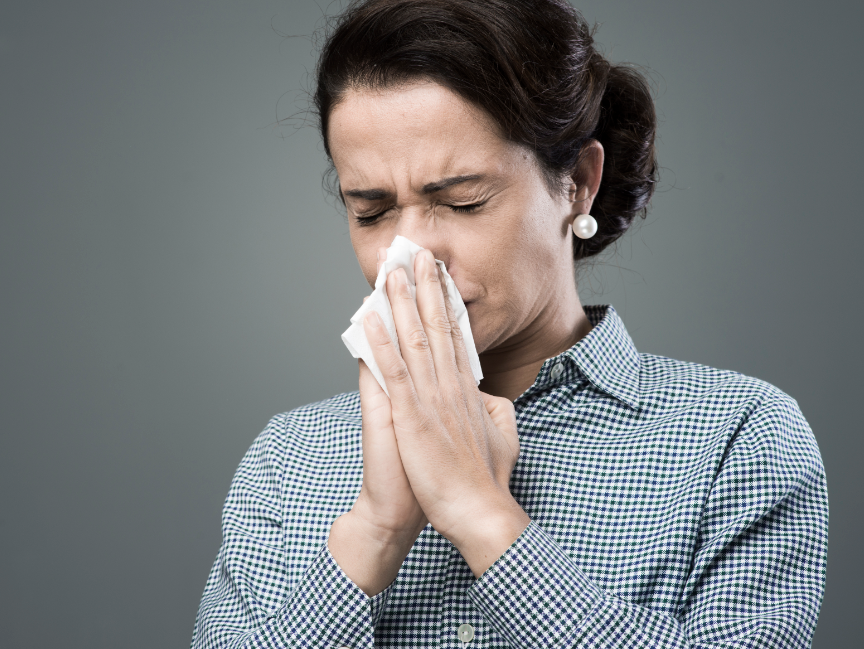
Having an allergic reaction to spicy food can result in a wide array of consequences. Some people face almost no consequences at all. They may sneeze a bit or simply turn a bit red in the face for an hour or so before returning to normal with no serious harm done.
For other people, an allergic reaction to spicy food could be life-threatening. This is why it’s wise to research anything you already know you’re allergic to. As we touched on above, if you are allergic to bananas, it would be advantageous to know that this allergy extends to cayenne pepper, too, so you don’t end up using it without knowing better.
Otherwise, cayenne pepper can quickly lead to anaphylaxis. This potentially deadly condition will suddenly bring about swelling around your nasal passages and throat, hives, diarrhea, an irregular or rapid heartbeat, nausea and/or dizziness.
In your immune system’s effort to protect you from the allergen it senses, it actually goes too far and winds up dropping your blood pressure to a dangerous low and bringing on the other life-threatening symptoms we just covered.
Anaphylactic shock is an all-too-real risk many people face, as well.
Be Careful About Relying on Packaging
Most people try to avoid having an allergic reaction to spicy food by asking their waiter or waitress about the dish they want before placing their order.
When grocery shopping, though, you have to be sure you’re actually reading up on the ingredients in a certain food before purchasing it.
That’s because most boxes don’t list things like the spices used where it’s easy to see. Check the ingredients for what you’re allergic to so you don’t accidentally eat something that could be dangerous.
Spices are also used in a number of other products, too. One reason women tend to suffer more from allergies to spicy foods is because they use makeup, hairspray and other beauty products that often contain these ingredients. Even if they don’t give you a noticeable reaction, they could still be doing damage by slowly wearing down your immune system.
At the moment, it’s believed about 2% or 3% of the entire population would have some kind of allergic reaction to spicy food. However, experts believe that number will grow as more and more people are now coming into contact with spicy foods on a regular basis.
Until reliable blood and skin tests for these types of allergies are available all over the country, you just need to be careful about what you eat and use and, if you find out you’re allergic to something, make sure you know any other foods it’s found in.