
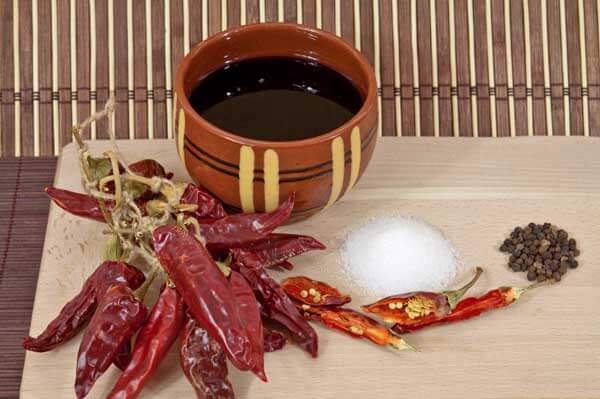
As anyone who has ever eaten a hot pepper and found their mouth afire can attest, capsaicin (the active ingredient in peppers that causes the sensation of heat) is not particularly water soluble. Try gulping water to put out the fire from a pepper and you’re going to be more than a little disappointed. Capsaicin solubility is of great interest to many people, including supplement manufacturers, and even those who buy pure capsaicin extract for use at home.
What Is Solubility?
When discussing capsaicin solubility, it helps to have a firmer understanding of what solubility means. Essentially, it’s nothing more than the ability of a particularly substance to dissolve into another substance. For instance, when you add sugar to hot tea and stir, the solid sugar dissolves into the liquid. The same is true for salt in hot water. Even gases are soluble. For example, beer brewers who bottle condition rely on the carbon dioxide produced by yeast in the beer to dissolve back into the beer and carbonate it. The same principle applies to capsaicin. Solubility is not this chemical’s strong suit, though. In fact, it does not dissolve well in water at all.
How to Combat Lack of Capsaicin Solubility
There are many substances that can dissolve crystalline capsaicin. For instance, industrial solvents can do the job quite well, and are often used in the creation of capsaicin-based creams and ointments, as well as pesticides and for personal protection. Of course, that won’t work well for home use. What should you do in the home?
Actually, any strong, high-quality alcohol can dissolve crystalline capsaicin. You can use vodka, grain alcohol, even gin if you prefer. The process is a great deal like making fruit or herbal extracts. Another option to use is vegetable oil. This allows you to create your own oils for topical use, or for use in cooking if you prefer.
What Are the Uses of Dissolved Capsaicin?
If you’re wondering about the solubility of capsaicin, chances are good that you already have a use for it in mind. Dissolved in a liquid, it can be used to create a very wide range of hot sauces, or just add a touch of heat to a dish with a few drops. However, it can also be used as a homemade remedy for physical pain and discomfort very similar to the commercial capsaicin creams and oils on the market.
You just need to be careful, as the capsaicin is highly concentrated in the alcohol or oil at this point. A miniscule amount is all that you’ll need for topical application. That’s why manufacturers use oils and creams – they act as carriers, allowing a very small amount of capsaicin to be spread over a large area and provide symptom relief.
Capsaicin is seeing increased attention from the medical community and consumers alike thanks to its powerful effects both on and within the body. As more people become aware of these benefits, expect to see home use grow considerably.