
Searching for capsaicin sources to treat pain in your muscles? Maybe you’re suffering from arthritis, and you’ve heard that capsaicin is a powerful, over the counter treatment option. On the other hand, you might be more interested in its culinary uses – planning to concoct your own super hot sauce at home? If so, you’ll definitely want to know more about the various capsaicin sources.
Look to the Peppers
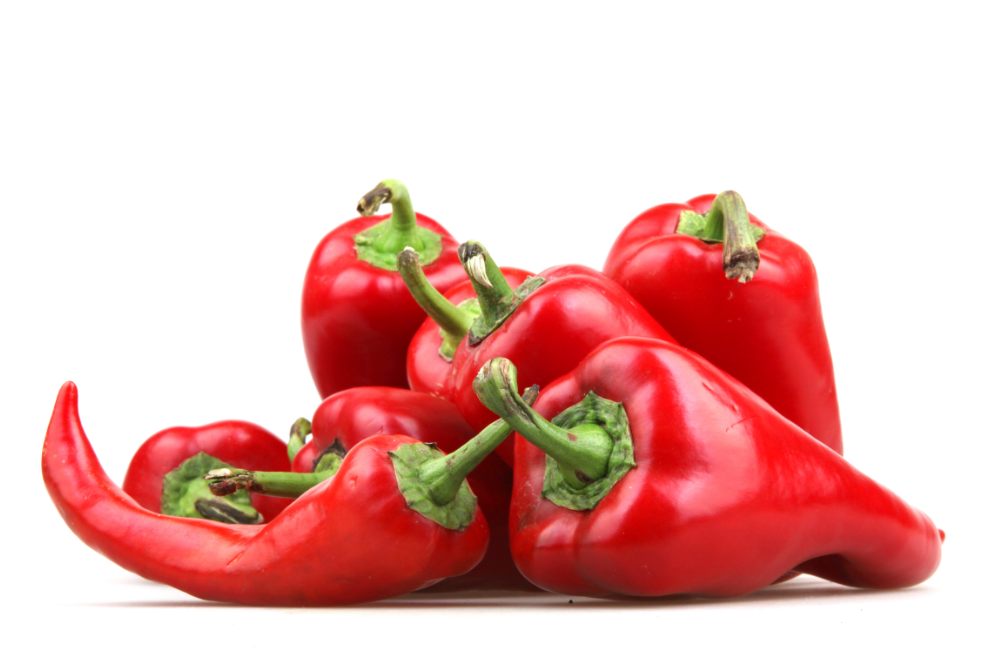
While capsaicin sources include many non-pepper foods, the amounts are very low. If you want the most bang for your buck, you’ll want to look at the capsicums – peppers. Of course, anyone who’s ever eaten different peppers knows that not only do their tastes vary, but so does their level of heat. For example, bell peppers are part of the same family as habaneros and jalapenos, but have no heat at all. That’s because there’s a genetic mutation that prevents them from manufacturing capsaicin.
Obviously, if you’re interested in capsaicin sources, you’ll want to know which options pack the most punch. Which are the hottest peppers out there? You’ll find them below, listed in order of their capsaicin content (by the Scoville scale) from hottest to not:
- Trinidad scorpion pepper
- Ghost pepper
- Habanero
- Jamaican pepper
- African bird’s eye
- Thai pepper
- Cayenne pepper
- Jalapeno
- Anaheim
You’ll probably notice some familiar pepper names not included on that list. This is because they’re what we call sweet peppers. They either have no capsaicin in them, or the amount is low enough that you’d have a lot of trouble extracting any from them.
Non-Food Capsaicin Sources
Interested in all the health benefits of capsaicin, but not really in the mood to eat a handful of peppers each day? You can find many non-food capsaicin sources today.
Powders, Oils and More: One option is to purchase extracted capsaicin in the form of powder or oil. These can be used to add capsaicin to shakes or smoothies, to soups or to make your own creams or lotions for home use. However, be aware that powdered capsaicin needs to be combined with strong alcohol (think vodka) in order to dissolve. Oils should be diluted for topical use, as well. Most of these are concentrates, which means that a minute amount goes a very long way.
Synthetics: You may want to consider synthetic capsaicin, depending on what you intend to do with it. It makes a powerful pest control agent, can be used in the creation of personal protectant sprays and more. Synthetic capsaicin is about as effective as natural capsaicin, and it costs up to five times less. However, if you’re going to be ingesting it, most authorities recommend going the natural route.
As you can see, there are many capsaicin sources out there, most of them natural, but some available in concentrated form that can allow you to create your own health treatments right at home. Shop with care, though, as the quality of some sources can be questionable at best.