
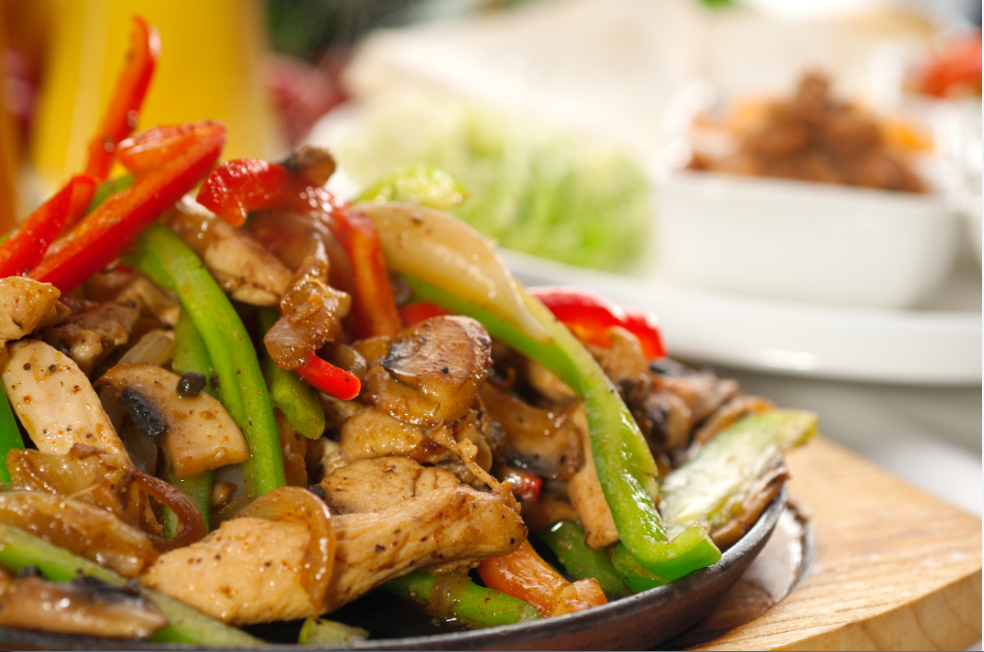
Maybe it’s got something to do with the word “spicy”, but foods filled with tons of spice have quite the reputation for some pretty amazing feats. Not only are spicy foods thought to kill taste buds and thin the lining of the stomach, many people believe that spicy foods are addictive the same way recreational drugs are. Among the many folk tales surrounding spicy foods, one of the most commonly known is the idea that spicy foods can help induce labor in expecting mothers.
After more than nine months of long, sometimes difficult pregnancy, it’s no wonder that mothers may be ready to take matters into their own hands when the doctor says “Sorry, not yet” at yet another appointment. Old wives’ tales tell young mothers that the baby is sure to come if they just drink some castor oil, walk around the block several times, engage in a final baby-free romp around the bedroom, or eat the hottest dish they can find at the local Mexican restaurant.
In fact, spicy foods are so well connected with the idea of inducing labor that there are many restaurants around the country known for their “magical” dishes that helped bring the next generation of diners into the world. No matter what country I’m visiting, there always seems to be some well-known local dish that is “sure” to speed this process along, from Indian curry to Tom Yum soup in Thailand.
But before you dive into that plate of Level 10 hot wings that have bested even professional chefs and tasters, you may want to know more about why spicy food is suspected to bring on labor, and what the experts have to say.
Why Spicy Food?
Spicy foods like curry, hot wings, peppers, and the eye-watering burrito from your local fast food joint, aren’t the only foods that are thought to cause labor. Over the years, parents who are tired of waiting for their little bundles of joy have turned to everything from bananas to balsamic vinegar, and there are some surprisingly scientific reasons behind many of these. For example, bananas are full of potassium, a nutrient that helps muscles contract – vital for the birthing process.
Basil is thought to stimulate blood flow in the uterus. Pineapples contain an enzyme that is thought to soften the cervix. One of the more popular dishes to induce labor is eggplant parmesan, and while no one really knows why, it’s hard to argue with the thousands of mothers who’ve sworn that a giant plate of this classic Italian dish has led to a swift labor when waiting was no longer working. It could be due to the basil and oregano present in most Italian food, which both have hormone-increasing properties.
But why spicy foods? According to science, there’s no reason at all to suspect that spicy foods can induce labor. Those who believe that spicy food is the culprit often try to explain their belief by claiming that the movements of upset digestion can give the uterus the nudge that it needs to kick things into high gear.
How Spice Affects the Digestive System
It’s definitely true that spicy foods affect digestion, but not all spicy food works the same way. For example, ginger, which is commonly prescribed to pregnant mothers to help soothe morning sickness, is technically a spice – one that is used frequently in some of my favorite Chinese dishes. This old remedy for a pregnancy gone on too long is referring to foods that contain a chemical called capsaicin, which makes certain peppers and chilies taste “hot” or “burning” in your mouth. This chemical is wildly misunderstood by most people, who believe that spicy foods are to blame for ulcers or gastric issues. In fact, capsaicin can inhibit the development of ulcers and be used to reduce inflammation. This chemical is also used as a pain killer because it has a natural numbing property that you’re probably familiar with if you ever walked away from a plate of super-hot barbecue with tingling lips.
Spicy foods can definitely cause problems when there is already an ulcer or infection present, but the primary reason that they are linked to upset tummies or heartburn is due to the way they cause an increase in the stomach’s secretion of gastric juice. This can cause food to pass through the digestive system faster, which is where the link between spicy foods and upset stomachs probably comes from.
So How Does That Affect Labor?
In order to understand how this idea came around, we’ll have to do a little speculating based on what we know about spice and the digestive tract. One of the many unfortunate side effects of pregnancy is constipation. Imagine the world before modern medicine, when women mostly relied on the advice of their own mothers and the help of a midwife when the time came to have children. (In many countries around the world, this is still the case. I’ve been fortunate to meet or hear about many of these strong women, who wouldn’t balk at snacking on some ghost chilies if it meant a faster birth.)
Towards the end of their pregnancies, exhausted with all the waiting and the strain of creating a new life, they were probably willing to try just about anything. A whisper or two about spicy food being the key, and it’s easy to see how many would have hunted down the first pepper or chili they could find.
Once they ate the spicy food, the spice had time to work its magic in the digestive system, causing increased gastric juices to relieve constipation. It may be that this helped induce labor by stimulating the muscles used to bear down. As the digestive system begins to work, it’s understandable to believe that the movements of the bowels could cause the uterus to start contracting. It could simply be that the relief of one side effect helped women to relax until the natural labor process began. Who knows? But the idea that spicy foods brought on labor has been circulating widely since these times.
Myths and Medicine
If science can’t prove a link between spicy foods and the production of labor hormones or the behavior of the uterus, then why has this myth continued far past the development of modern medicine?In fact, if you think about the effects that capsaicin has on a healthy digestive system (reducing inflammation and prohibiting ulcer development), it would even seem that spicy foods might be counter-productive to labor.
One of the many reasons is simple human impatience. Most women who try these methods don’t speak to their doctors about their plans to naturally induce labor, so they may not even be aware of what spicy foods actually do inside the digestive system. Another reason could be the overwhelming anecdotal evidence out there – even though science can’t prove a link between spicy foods and labor, does that discount the hundreds and thousands of mothers who finally budged a stubborn baby out into the world by heading over to the local Thai place for a “melt your face off” stir fry?
The overwhelming attitude from most doctors, however, is “Go for it.” Sure, there may be no medical reasoning behind the idea that spicy food will induce labor, but it’s certainly not going to harm anything. In fact, one common belief about spicy foods was recently proven to be true. Many people touted the “myth” that men who love spicy foods have higher testosterone production. A study did in fact prove that this is the case!
While the direct link between a love of spice and testosterone production hasn’t been established, it does show that sometimes, those old wives telling tales know a thing or two. If heading down to indulge in some Szechuan chicken makes you feel a little less impatient while you wait for labor to begin, there’s no medical reason you shouldn’t do just that.
Do Some Spicy Foods Work Better Than Others?
There is some evidence that certain spices can help the body create more of a hormone calledprostaglandin, which helps to soften the cervix and prepare the body for labor. Turmeric is especially considered to be one of the best spices for increasing the production of this hormone, which makes Indian food, such as curry, your new best friend when you’re tired of hearing “not yet”. Turmeric is also called Indian saffron, and if curry isn’t your favorite, you can also drink it in tea, blend it into juice, use it to season vegetables, or add it to foods like rice and potatoes, where it doesn’t really change the flavor. I’ve also had turmeric in Greek dishes, particularly on lamb. Cool it down with some yogurt sauce and it’s divine!
Whether you think it’s all a bunch of hogwash, or you’re willing to try anything to be done with pregnancy, there’s no denying it’s a fun experiment. You could be naming your new arrival after the local Chinese restaurant in gratitude before you know it! Some of the best choices beyond Indian curry, according to the tales, include:
- Wasabi peas: Crunchy wasabi peas are a go-to snack in Japan that could be just what you need. Wasabi is similar to horseradish in taste and spice level.
- Kimchi: In truth, there are many Korean dishes that fit the bill of “spicy food”, but kimchi, a fermented vegetable dish, can definitely pack a fiery punch.
- Tom Yum soup: Thai food is notoriously hot and not for the faint of heart. Try this clear soup to get your dose of spice.
- Jerk seasoning: Not a fan of Asian foods? Go Caribbean with some jerk chicken or jerk pork. It ranges in spice level from “hot” to “gates of Hell”, so be sure to get the good stuff!
- Piri-piri sauce: Piri-piri sauce comes from either African or Portugal, depending on who you ask. This chili pepper is also called the African red devil. Spread the sauce on some chicken and be sure you have some tissues handy.
- Horseradish: This classic sauce comes in a ton of flavors, and is often cooled down with mayo – be sure to get the real stuff!
- Chimichurri sauce: Argentinian spice made from hot peppers with basil, oregano, garlic, parsley – all those hormone producing herbs that make parmesan such a popular labor-inducing dish.
- Harissa rub: Another spice from Africa, this is a blend of paprika, cumin, coriander, and caraway.
There are many other types of “spicy” cuisine from around the world, but if you’re looking for the hottest, Indian or Thai food is often a great place to start. Don’t discount a giant helping of chili con carne if Mexican food is your favorite! Ethiopian food traditionally includes a mixture called berbere, which can contain a large amount of red chile. Try dorowat, or chicken stew, but be sure to find a chef who will make it with an authentic recipe, as it’s often made more mild for American eaters.
A few other great cuisines to look into include Peruvian dishes made with aji peppers, Senegalese dishes with Scotch bonnet peppers, Sicilian dishes with Calabrian peppers, and Tibetan cuisine that is similar to the Sichuan cuisine you love from your local Chinese place. Want that baby out yesterday? Plan a whole week of spicy foods to try them all! Maybe all it takes to induce labor is a round-the-world tour of some of the spiciest cuisines known to man.
What Do You Think?
It’s hard to imagine any situation where a person could be more desperate to make a change than a pregnant mother at the end of her third trimester, and that makes it easy to imagine how these types of folk tales would get passed around.
Does that mean that spicy foods don’t have any affect on labor? Can waking up the ol’ digestive system, and possibly increasing the production of cervix-softening hormones, lead to the end of the longest wait of a parent’s life? And what about the unavoidable anecdotal evidence that shows at least a passing correlation? Mere coincidence, or could these mothers be on to something more?
It’s an interesting conundrum for lovers of spicy food. The medical uses of spice are still being researched and discovered, and there’s always room for new discoveries. But at the end of the day, the best answer may just be the one that doctors are already giving. After all, who’s going to tell a desperate pregnant woman that she can’t have that last burrito? Enjoy your favorite spicy foods now, and start thinking up some fiery baby names to go with them!