
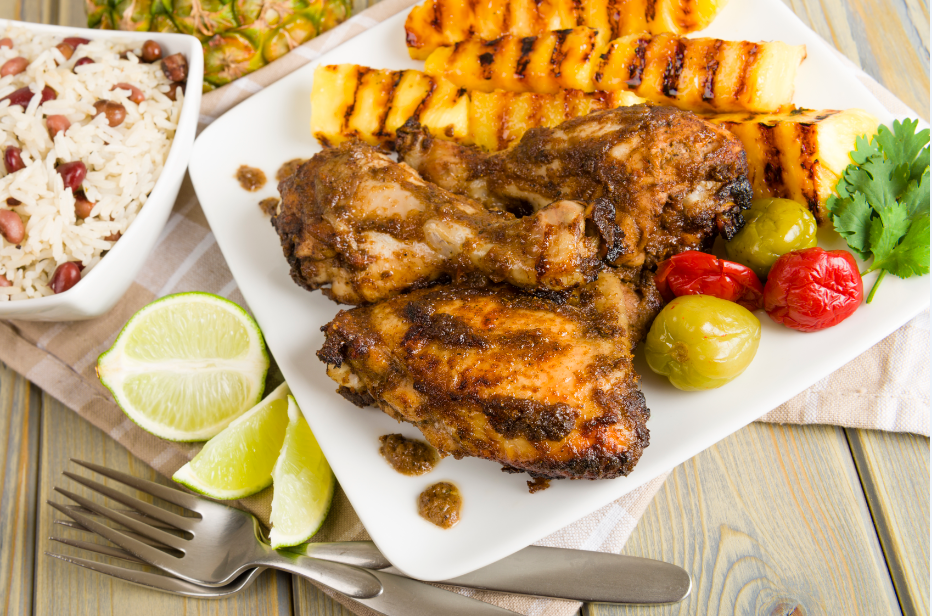
From our national obsession with Sriracha sauce to the natural relationship between hot wings and game days, there’s no denying that spicy foods are on the menu nearly everywhere you go. In my own travels, I’ve been lucky enough to visit many places where spicy food is served morning, noon, and night. As far back as history can trace the evolution of cooked food, spicy dishes have been a part of almost every culture. While some may chalk that up to the abundance of edible peppers, or the fact that many spicy foods are also quite tasty, there is another factor at work here that you may not even realize.
Peppers Make You Happy
One of the things that the human brain loves is feeling good. When hormones like dopamine flood our system, making us feel relaxedand safe, the brain does a little happy dance. These hormones not only make us feel better, they also lower blood pressure, reduce stress, help the immune system work better, and even reduce the sensation of pain. In fact, these hormone compounds have the same overall effect on the body as a dose of morphine. We call these compounds endorphins, and they play a key role in the emotions that you feel every day.
But what do endorphins have to do with spices? Recently scientists have discovered that it may be more than just convenience or taste buds with a penchant for pain that cause us to love eating spicy foods. There are two compounds within peppers and spices that cause the brain to produce more of these endorphins. In other words, peppers make you happy!
A Closer Look
To better understand how this happens, let’s look at the molecular structure of spicy food. Don’t worry, this won’t be as boring as those high school chemistry classes you (barely) remember. When you first bite into a spicy dish, your tongue immediately registers a “hot” sensation. (Fun fact: Spiciness is not a flavor that can be tasted, but rather a sensation of heat.) This sensation is created by a compound called capsaicin.
Capsaicin interacts with a specific type of nerve cell in your tongue that is meant to alert the brain to extreme heat. Basically, your nerve cells are hanging around on guard duty one moment, and the next they are sounding the alarm because capsaicin shows up and lights everything on fire. These nerve cells send a message up to the brain, and the brain goes into action.
The brain does two things when it receives this signal. First, it releases dopamine, which is a pain-relieving hormone that is associated with feeling good. “Runner’s high” is a result of dopamine; so is the feeling of falling in love. Second, the brain releases endorphins that help block the pain signal. All of the sudden, your nerve cells are relaxed and happy to let the fire burn unchecked.
So, to unlock the secret of why humans have a long history of loving spicy food, we only have to look to the brain’s reaction to pain: spicy foods result in a release of chemicals that make us feel happy and relaxed. It seems simple, but there’s a whole host of ways that this simple fact can affect your behavior.
Train Your Brain to Love Spice
Remember when we said that the brain loves to be happy? One of the reasons that humans get addicted to things like drugs and alcohol is that the brain is easily trained to expect and desire the rush of endorphins and chemicals that are created by the use of these things. Have you ever known someone who hated spicy food as a child, but grew up to love it? Or maybe you used to despise anything hotter than a well-hidden bell pepper, but lately you’ve been craving a pile of fiery hot wings.
When you experience the rush of endorphins caused by eating spicy foods, you subconsciously begin to associate the feeling of relaxation and happiness with the foods themselves. Even the brain is tricked into making this association, despite the fact that it “knows” that the endorphins are to cause for the change in your mood. And so, any time your brain isn’t feeling as happy as it could be, it drags up thoughts of anything it associates with feeling good. The more often you eat spicy foods, the more your brain will bring up thoughts of spicy foods when craving dopamine. And every time you give in to that craving, you reinforce the cycle.
As you can see, it is pretty easy to train your brain to love spicy foods, simply because the endorphin rush is so addictive.
Using This Knowledge
No one is going to blame you for eating spicy foods just because you love them. Enjoy your Tom Yum soup, your horseradish-covered steak sandwich, or your pickled jalapeños to your heart’s content, simply for the joy of eating. But if you want to, you can use your understanding of food to your advantage when you need something more than just a snack to cure the munchies.
We all have moments when we feel a little less happy than we’d like to. Stress is such a common ailment now that we have dozens, even hundreds, of studies linking it to a huge array of serious diseases and illnesses. Depression, anxiety, and other mood disorders are also on the rise. The reasons for this fact could be due to our changing lifestyles, or it could simply be that, with better diagnostic tools, we are only just now coming to understand how prolific these diseases are.
So what can you do if you are having a “down day” and you need a bit of a pick me up? One natural way to change your mood is to attempt to get a rush of endorphins, which can give you a lasting change in your mood for the day. There are many ways to naturally increase your endorphin levels. Aromatherapy, for example, works by influencing endorphin production. Exercise is also a popular method, producing a rush of chemicals that make the body feel satisfied. Laughter, chocolate, and sexual activity are other common remedies.
But as we’ve just seen, eating your favorite spicy food is a great way to influence the production of endorphins and feel-good chemicals in the brain. Want to feel better after a long day of hard work? Head to your favorite Caribbean restaurant for some jerk chicken, or simply add some red pepper flakes to your pizza. And bonus – if you work in a hot climate outdoors, eating spicy food will promote sweating, which helps the body cool down.
Want to Feel “Even Better”?
There’s wanting to feel happy and relaxed, and then there’s the sensation of extreme bliss that most often comes with recreational drug use. Did you know that spicy foods can have such a huge effect on your endorphin production that they can actually create the sensation of being high?
More than 9,000 years ago, the Mayans used chili peppers as stimulants, likely during religious ceremonies. The higher the level of capsaicin in a pepper, the more it will affect the brain’s chemical cocktail. In fact, some chili peppers are so potent that they can create hallucinogenic effects and make certain body parts go entirely numb. Want to test the theory yourself? The peppers with the highest amount of capsaicin include:
- The Naga Viper: While this pepper is not commercially available, it technically holds the record for the most capsaicin content in any single pepper. Capsaicin levels are measured by a unit called the Scoville. The Naga Viper? Scored a whopping 1,359,000 Scoville units in a test performed at Warwick University.
- BhutJolokia Chili: Because this chili pepper, also called the Ghost pepper, is available commercially, it holds the official record for the most capsaicin content in any pepper. It measures 1,001,304 Scoville units. While native to the northeastern part of India, this pepper is making its rounds in the desert of New Mexico recently.
- Habanero: Chances are if you’ve ever wanted to try something hotter than a jalapeño, you’ve tried a habanero, also called the Scotch bonnet pepper. Of all the most capsaicin-rich peppers, these are the easiest to find. The habanero ranges from 150,000 Scoville units to 300,000 Scoville units, depending on the variety.
- Tobasco chili: The Tobasco chili scores 120,000 Scoville units, making it just a step down from a habanero in capsaicin concentration. This type of chili is from the same plant species as Thai peppers and the malagueta pepper.
- Cayenne pepper: Cayenne pepper is a common household spice, but it packs a surprising punch. This pepper rates between 30,000 and 50,000 Scoville units.
- Jalapaño peppers: Jalapeños rate around 2,500 to 8,000 Scoville units – not all that hot compared to other frequently-used ingredients. What this means for you is that jalapeños probably won’t offer you the dopamine-induced effects you were hoping for. Also in this unit category is paprika.
Anything lower down on the scale, such as the Anaheim, the poblano, the banana pepper, and the pepperoncini, also isn’t likely to result in many endorphin rushes. And bell peppers? With a Scoville unit rating of zero, bell peppers have no capsaicin to offer whatsoever.
There are quite a lot of other peppers to explore in the world of spicy foods, but this list shows you the hottest peppers in the world, and some of the easiest peppers to come by for a capsaicin experience.
Cooking with Capsaicin
So now that you know how capsaicin can affect your endorphins, you may be curious about adding more heat to your own cooking. Any fan of spicy food will tell you that it’s about more than just tossing on some dried seasonings and diving in, however. To understand how to get the best flavor from your spicy dish, turn to a professional chef. Want to understand how to cook with peppers to get the most endorphin-boosting capsaicin in every bite? Look no further.
Capsaicin is a chemical compound, yes, but it has properties similar to oil. This means that it repels water, which is why drinking water to help calm your burning mouth isn’t really that effective. The capsaicin in the peppers will simply push the water away, not be cooled by the water. Want to kill the burn? Drink milk or alcohol, because capsaicin is soluble in both.
This is good to know when you are cooking and want to get the most capsaicin out of the pepper. Ditch dairy-infused dishes and go for stir fries or Asian dishes. This is one of the reasons why Thai food is often so much hotter than cheesy Mexican dishes.
Naturally Boost Your Mood with a Great Meal
Now that you know how capsaicin affects the brain, how to find the most capsaicin available in your area, and how to get the most capsaicin out of any particular pepper, you’re ready to start boosting your mood naturally while you enjoy a great meal. The next step is to start taking a tour of spicy cuisines and watch your quality of life improve. Make it a date to explore a new spicy cuisine once a week – love Mexican and Thai already? Try Ethiopian, Indian, Cambodian, South American, and Caribbean food for new flavors with extra kick.
To get an extra kick of endorphins, pair your spicy meal with a fun activity that gets your blood pumping, like a sports game or a family fun night. Your brain won’t know what to do with all the dopamine created by the combination of capsaicin and your favorite hobby or personal bonding.
There’s no need to feel guilty about indulging to get an extra kick of endorphins, either. Peppers have a myriad of other health benefits that make them an excellent addition to any diet. While you are enjoying the “spice lover’s high”, your body will also receive tons of vitamins and nutrients that promote healthy hearts, boost your immune system, keep your digestive system regular, and much more. Go ahead – have your hot wings and eat them too!